
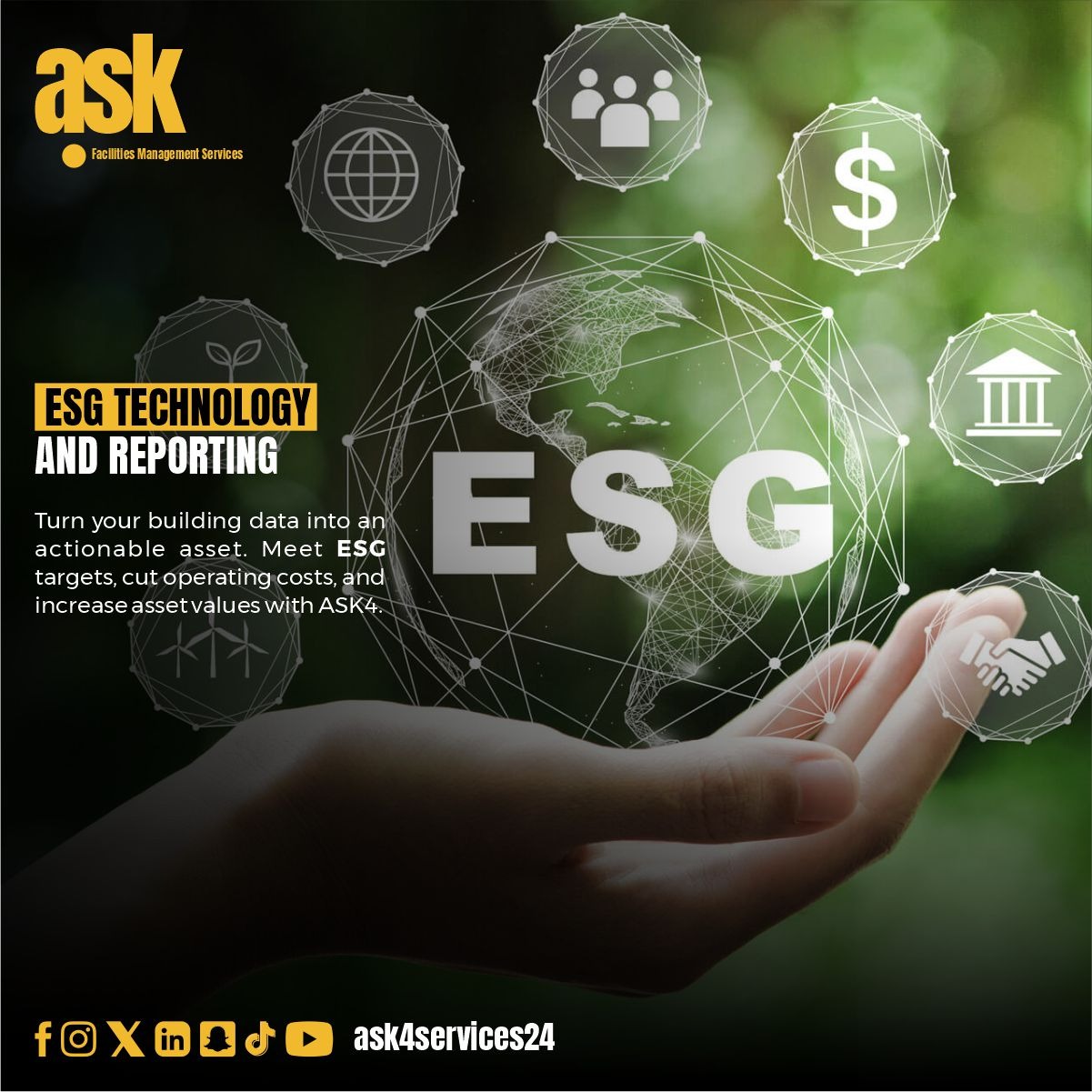
In today’s rapidly evolving business landscape, Environmental, Social, and Governance (ESG) factors have become pivotal in shaping the future of organizations. Stakeholders, including investors, customers, and employees, are increasingly prioritizing sustainable and ethical practices. As a result, companies are under pressure to not only implement ESG initiatives but also to effectively communicate their progress. This is where technology and reporting come into play, offering powerful tools to streamline ESG efforts.
Understanding ESG: A Brief Overview
Before diving into the technological aspects, it’s essential to understand what ESG entails:
- Environmental: This aspect focuses on a company’s impact on the planet. It includes efforts to reduce carbon emissions, manage waste, and promote sustainability.
- Social: This dimension addresses a company’s relationships with its employees, suppliers, customers, and communities. It involves labor practices, diversity, and community engagement.
- Governance: This component pertains to a company’s leadership, executive pay, audits, internal controls, and shareholder rights.
The Role of Technology in ESG
Technology is revolutionizing the way companies approach ESG. Here’s how:
1. Data Collection and Analysis
Modern technology facilitates the collection and analysis of vast amounts of data. Advanced analytics tools can process this data to provide insights into ESG performance. Companies can track their carbon footprint, energy consumption, and waste management efforts in real-time, allowing for more informed decision-making.
2. Automation and Efficiency
Automation streamlines ESG processes, reducing the time and resources needed to manage them. For example, automated reporting tools can compile data from various sources, ensuring accuracy and consistency. This not only improves efficiency but also frees up resources to focus on strategic ESG initiatives.
3. Transparency and Accountability
Blockchain technology is emerging as a game-changer in enhancing transparency and accountability. By providing an immutable record of transactions and activities, blockchain ensures that ESG claims are verifiable and trustworthy. This builds confidence among stakeholders and strengthens a company’s reputation.
4. Innovative Solutions
Emerging technologies like artificial intelligence (AI) and the Internet of Things (IoT) are being leveraged to develop innovative ESG solutions. AI can predict environmental impacts and optimize resource usage, while IoT devices can monitor and report on environmental conditions in real-time.
The Importance of ESG Reporting
ESG reporting is crucial for communicating a company’s sustainability efforts to stakeholders. It provides a transparent account of the company’s ESG performance and future goals. Here are some key benefits:
- Investor Confidence: Transparent ESG reporting attracts investors who are increasingly looking for sustainable investment opportunities.
- Brand Reputation: Companies that effectively communicate their ESG efforts often enjoy enhanced brand reputation and customer loyalty.
- Regulatory Compliance: As regulations around ESG become more stringent, comprehensive reporting ensures compliance and reduces the risk of penalties.
Best Practices for ESG Reporting
To ensure effective ESG reporting, companies should consider the following best practices:
1. Align with Global Standards
Align your ESG reporting with recognized global frameworks such as the Global Reporting Initiative (GRI), Sustainability Accounting Standards Board (SASB), or the Task Force on Climate-related Financial Disclosures (TCFD). This ensures consistency and comparability with other organizations.
2. Set Clear Goals and Metrics
Define clear ESG goals and metrics to measure progress. This helps in tracking performance over time and provides a basis for continuous improvement.
3. Engage Stakeholders
Engage with stakeholders to understand their expectations and incorporate their feedback into your ESG strategy. This fosters trust and collaboration.
4. Use Technology
Leverage technology to enhance the accuracy and efficiency of your ESG reporting. Automated tools can help in data collection, analysis, and report generation, ensuring timely and accurate disclosures.
Conclusion
As ESG continues to gain importance, companies must harness the power of technology and reporting to streamline their efforts. By doing so, they can not only meet stakeholder expectations but also drive sustainable growth and long-term success. Embracing these tools and best practices will position companies as leaders in the pursuit of a sustainable future.