
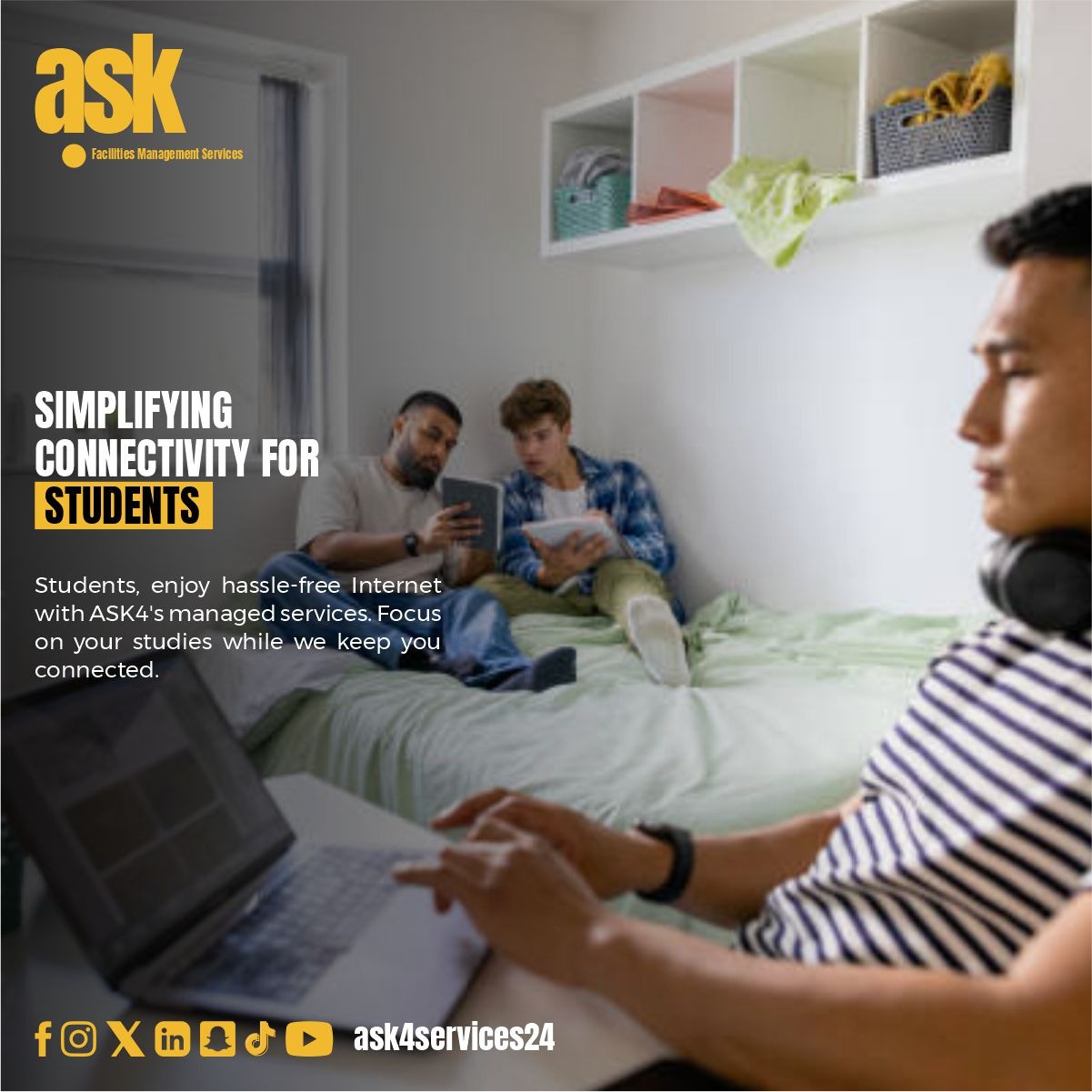
In today’s digital age, having reliable and seamless internet access is crucial for students. It empowers them to explore, learn, and connect with educational resources and peers worldwide. However, many students still face challenges in accessing the internet effortlessly. This blog post will explore how simplifying connectivity can empower learning and offer practical solutions for students to enjoy effortless online access.
The Importance of Connectivity in Education
Internet connectivity has transformed the educational landscape, providing students with access to a wealth of information and resources. From online courses and research materials to virtual classrooms and collaborative tools, the internet has become an indispensable part of learning. Here are some key reasons why connectivity is essential for students:
- Access to Information: Students can easily access a vast array of educational content, including e-books, research papers, and multimedia resources, enhancing their learning experience.
- Collaboration and Communication: With online tools, students can collaborate with peers and communicate with educators and experts worldwide, fostering a global learning community.
- Flexibility and Convenience: Online learning platforms offer flexibility, allowing students to learn at their own pace and convenience, making education more accessible to everyone.
- Skill Development: Digital literacy and online research skills are critical in today’s job market. Reliable internet access helps students develop these essential skills.
Challenges in Connectivity for Students
Despite the benefits, many students face barriers to accessing reliable internet. Some common challenges include:
- Limited Access in Rural Areas: Students in rural or underserved areas often struggle with limited or no internet access.
- High Costs: The cost of internet services and devices can be prohibitive for some families.
- Technical Issues: Connectivity issues such as slow speeds and frequent disconnections can disrupt learning.
Solutions for Effortless Online Access
Addressing these challenges requires a multi-faceted approach. Here are some solutions to simplify connectivity for students:
1. Expanding Infrastructure
Governments and internet service providers (ISPs) must work together to expand broadband infrastructure, particularly in rural and underserved areas. Investment in infrastructure can help bridge the digital divide and ensure all students have access to reliable internet.
2. Affordable Internet Plans
ISPs should offer affordable internet plans tailored for students and families. Discounts and subsidies can make internet access more accessible to low-income households.
3. Community Wi-Fi Initiatives
Local communities can establish free or low-cost Wi-Fi hotspots in public areas such as libraries, community centers, and schools. These initiatives can provide students with a place to connect and learn.
4. Device Accessibility Programs
Programs that provide students with access to affordable or free devices, such as laptops and tablets, can help overcome the barrier of high upfront costs.
5. Digital Literacy Training
Educators and organizations should offer training programs to enhance digital literacy skills, ensuring students can effectively use online resources and tools.
Conclusion
Effortless online access is a cornerstone of modern education, empowering students to learn and grow in a connected world. By addressing connectivity challenges and implementing practical solutions, we can ensure that every student has the opportunity to thrive in their educational journey. As we continue to navigate the digital landscape, it’s crucial to prioritize efforts that simplify connectivity and empower learning for all students.
By focusing on these strategies, we can create an educational environment where every student has the tools and resources they need to succeed in the digital age.